Year: 2019

  • Breaking Ground: Cost Estimation and Budgeting for Land Development

    Accurate cost estimation and budgeting are crucial in any land development project, from small residential subdivisions to large-scale commercial complexes. Start by outlining each phase of the project: land acquisition, permitting, site preparation, construction, and finishing touches like landscaping or utility hook-ups. Group these tasks into categories, such as materials, labor, professional fees, and contingency reserves.

    Site preparation often takes a big chunk of the budget. You may need to clear vegetation, level the ground, or install drainage systems. Conducting a soil test upfront can reveal whether extra steps like soil stabilization or a special foundation are necessary. If you’re adding roads, sidewalks, or parking lots, plan for paving materials and maintenance costs.

    Permits and professional fees also add up quickly. Factor in expenses for surveyors, architects, engineers, and attorneys who will help ensure compliance with building codes and local regulations. Delays in permitting can inflate labor costs, so budgeting for potential hiccups in the approval process is wise.

    A contingency reserve—typically 10% to 20% of the total project cost—provides a financial cushion for unexpected challenges like weather delays or price fluctuations in construction materials. If these funds aren’t used, they can go toward upgrades or simply remain as savings. Clear communication with contractors and regular project reviews help keep spending on track, ensuring that adjustments can be made before overruns become unmanageable.

    When the project nears completion, you might choose to sell or lease the newly developed lots. As a Mississippi land buyer, we offer competitive cash deals and personalized guidance to make selling your property smooth and successful. Having a reliable buyer lined up, or a marketing strategy ready, can accelerate your return on investment and free up capital for future endeavors.

    Effective cost estimation and budgeting set the foundation for a successful development project. By meticulously planning each phase, accounting for professional and permitting fees, and setting aside a robust contingency reserve, you minimize financial risks. Regularly reviewing your budget against actual costs allows you to adjust strategies in real time. This disciplined approach ensures a smoother project timeline, whether you aim to build and hold or sell and move on to the next opportunity.

  • A Comprehensive Guide to Betta Fish Diseases (with Pictures)

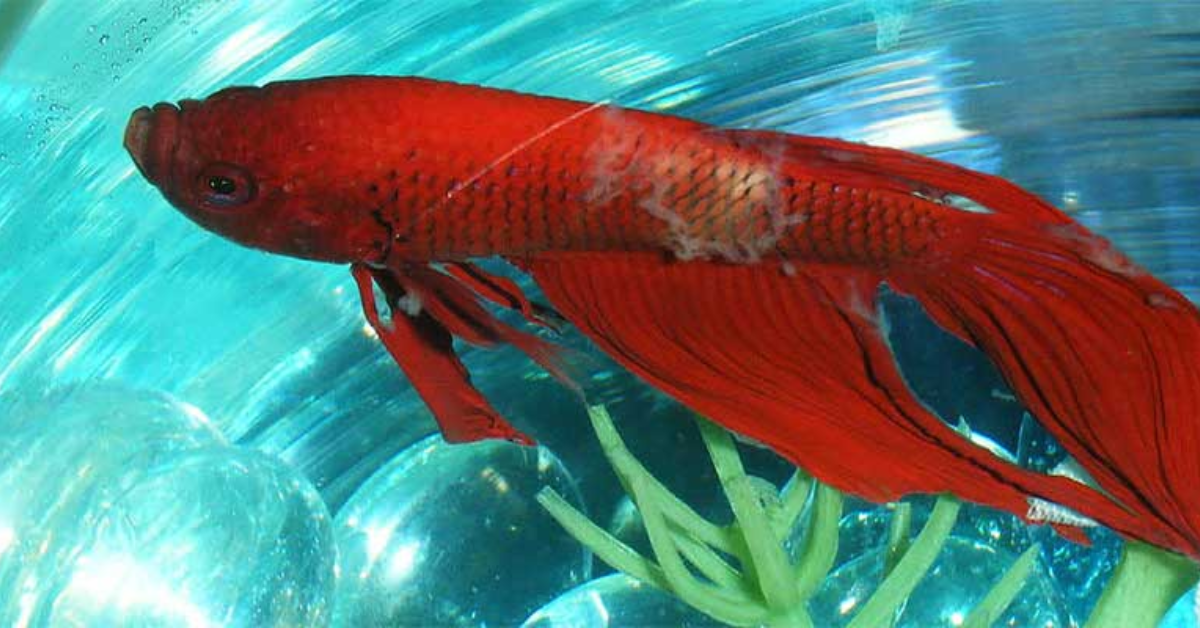
    Betta fish, known for their vibrant colors and flowing fins, are beloved pets worldwide. However, like any pet, they are susceptible to various diseases, which can affect their health and appearance. Recognizing the symptoms early and providing timely treatment can make all the difference in the health of your betta fish. This guide will cover common betta fish diseases, their causes, symptoms, and available treatments, complete with images to help you identify each condition.

    1. Fin Rot

    • Cause: Fin rot is often due to poor water conditions or bacterial infections. Stress and injuries can also make bettas more susceptible.
    • Symptoms: Fraying or discoloration of the fins, with edges turning black, white, or red. Fins may appear torn or ragged.
    • Treatment: Clean water is crucial. Use antibacterial medication specifically formulated for fin rot and improve water quality by regular changes.

    2. Ich (White Spot Disease)

    • Cause: Caused by a parasite called Ichthyophthirius multifiliis which thrives in poor water quality.
    • Symptoms: Tiny white spots resembling grains of salt appear on the betta’s body and fins. Fish may rub against objects to relieve itching.
    • Treatment: Raise the water temperature gradually (within safe limits) to accelerate the parasite’s life cycle. Use over-the-counter ich medications and ensure the tank is well-aerated.

    3. Velvet Disease

    • Cause: Velvet is caused by a parasite (Piscinoodinium).
    • Symptoms: A golden or rust-colored dust appears on the fish’s body, often visible under a flashlight. Other symptoms include lethargy and clamped fins.
    • Treatment: Quarantine the infected fish. Use aquarium salt and copper-based medications as prescribed. Keep the tank dark as light may enhance the parasite’s activity.

    4. Swim Bladder Disorder

    • Cause: Overfeeding or poor-quality food can disrupt the swim bladder, causing bloating or buoyancy issues.
    • Symptoms: Betta may struggle to swim upright, float at the surface, or sink to the bottom of the tank.
    • Treatment: Fast the fish for 24-48 hours, then offer fiber-rich foods like a shelled pea. Avoid overfeeding to prevent future issues.

    5. Columnaris (Cotton Wool Disease)

    • Cause: A bacterial infection caused by Flavobacterium columnare, usually triggered by poor water conditions.
    • Symptoms: Cotton-like growths on the mouth, gills, and fins. Lesions may appear on the body, and the betta may display labored breathing.
    • Treatment: Quarantine and treat with antibiotics formulated for aquarium use. Maintain pristine water quality to prevent recurrence.

    6. Dropsy

    • Cause: Often a result of internal bacterial infection affecting the kidney function.
    • Symptoms: Swelling of the abdomen, scales that stand out (pinecone appearance), and lethargy.
    • Treatment: Dropsy is difficult to treat but can sometimes be managed with antibiotics and aquarium salt. Clean water and a healthy diet can prevent it.

    7. Gill Hyperplasia

    • Cause: Poor water conditions, especially high ammonia levels.
    • Symptoms: Swollen or enlarged gills, labored breathing, and spending more time at the water’s surface.
    • Treatment: Improve water quality immediately. Use products that neutralize ammonia and maintain regular water changes.

    Tips for Preventing Betta Fish Diseases

    • Maintain Optimal Water Quality: Regular water changes and a proper filtration system are essential for keeping harmful bacteria at bay.
    • Avoid Overfeeding: Feed bettas a balanced diet and avoid overfeeding, which can lead to constipation and water contamination.
    • Monitor Water Temperature: Bettas thrive in temperatures between 76°F and 82°F (24°C-28°C). Use a heater to maintain consistent temperatures.
    • Quarantine New Fish: Always quarantine new fish before adding them to the main tank to prevent the introduction of diseases.

  • Your Guide to Y&R Message Boards: Connecting Fans and Diving Deep into The Young and the Restless

    Fans of The Young and the Restless (Y&R) are some of the most passionate and dedicated in the soap opera world. Over the years, this iconic daytime drama has captivated audiences with its compelling characters, intricate relationships, and jaw-dropping plot twists. For viewers who can’t get enough of Genoa City’s secrets, family feuds, and romances, Y&R message boards have become an essential gathering place to discuss every thrilling episode, plot theory, and character arc.

    Here’s everything you need to know about Y&R message boards, from the types of conversations to expect, to where you can find the most active communities.


    What Are Y&R Message Boards?

    Y&R message boards are online forums where fans of The Young and the Restless connect to discuss the show. These platforms allow viewers to share their thoughts on episodes, debate character decisions, speculate about future storylines, and even interact with fans who have been watching the show for decades. While many of these message boards originally existed as part of dedicated soap opera fan sites, social media platforms and forums now host vibrant Y&R discussions across the web.

    Whether you’re a long-time viewer or a newcomer to the show, these message boards provide a space to connect with other fans and explore the latest developments in the show.


    Popular Topics on Y&R Message Boards

    Y&R message boards cover a wide range of topics that resonate with fans. Here are some of the key themes you’ll often find on these forums:

    1. Episode Recaps and Reactions

    • Fans love discussing their initial reactions to new episodes, often posting real-time commentary as scenes unfold. Message boards allow them to share immediate thoughts, including standout moments, shockers, and heartfelt scenes.

    2. Character Debates and Favorite Storylines

    • The Young and the Restless has a diverse cast of characters, and each one comes with a fanbase (or sometimes, a group of critics!). Debates around iconic characters like Victor Newman, Nikki, Jack Abbott, and Phyllis are common, with fans discussing their past, present, and potential future arcs.

    3. Speculations and Predictions

    • Predicting future storylines and character choices is a popular pastime on these boards. With Y&R’s ever-evolving plot twists, there’s always room for speculation about who will fall in love, who will betray, and who might leave the show.

    4. Behind-the-Scenes and Spoilers

    • Dedicated fans often share casting news, upcoming episode spoilers, and rumors about show developments. While some fans prefer to avoid spoilers, others dive right in, eager to know what might be coming next in Genoa City.

    5. Tributes to Long-Running Characters and Cast

    • Long-running characters who’ve shaped Y&R are celebrated regularly, with threads dedicated to their legacy and unforgettable story arcs. With nearly five decades of history, there are many beloved (and departed) characters to remember.

    Benefits of Joining Y&R Message Boards

    Participating in Y&R message boards brings numerous benefits for fans:

    • Community Building: Message boards offer a unique chance to build friendships with like-minded individuals who share a love for the show. Many fans have been discussing Y&R together for years, creating strong online communities.
    • Sharing Theories and Insights: With multiple storylines running simultaneously, it’s easy to miss details or nuances. Fans on message boards often analyze scenes in detail, which can offer new insights and perspectives.